A PPVC Guide to Preventing Mammary Tumors in Rats and Protecting Their Health
November 18, 2025
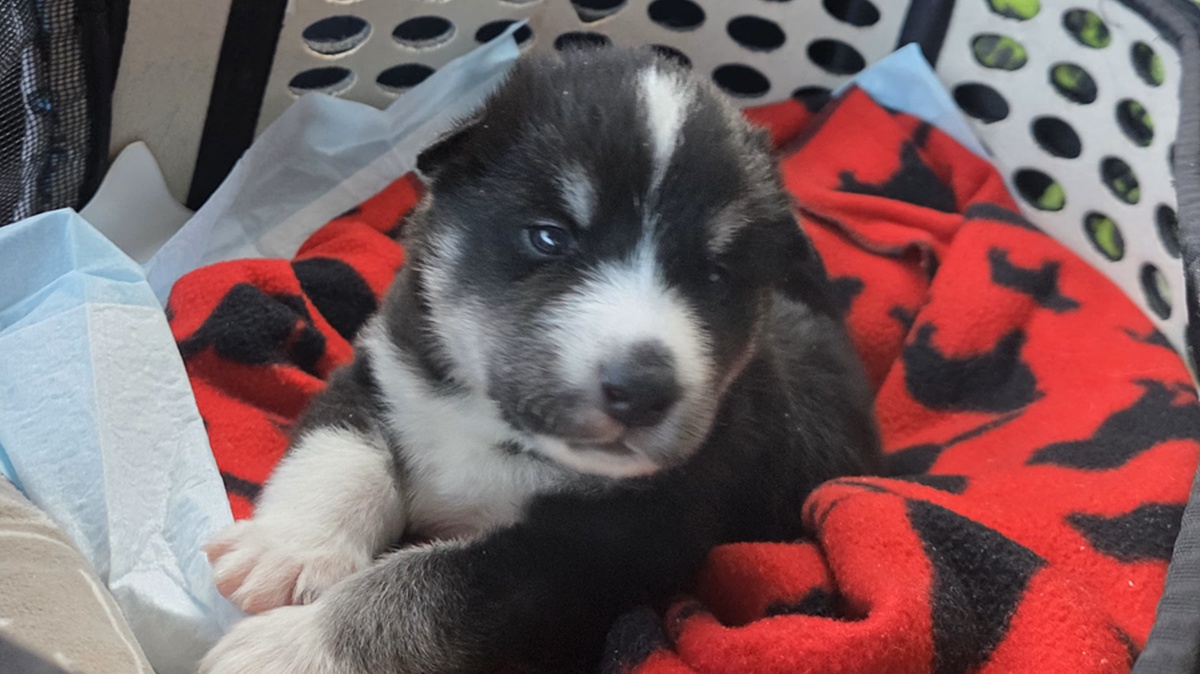
Newborn puppies require a lot of time and energy, but they can successfully be raised, even if mom is not able to help for some reason.
Tyler, one of our technicians, takes on newborns regularly. She is caring for the little guy in these pictures right now. He’s a hoot, which is part of the joy of taking in a newborn. Thanks, Tyler, for helping craft this article about what the process entails!
Setting Up the Perfect Space
- Create a warm, quiet whelping area with soft bedding.
- Keep temperature: Week 1: 85–90°F; Week 2–3: 80–85°F; Week 4: 75–80°F.
- Use a heating pad under half the box and avoid drafts.

Feeding Your Newborn Puppy – The feeding schedule is very important!
- 0–1 week: every 2 hrs
- 1–3 weeks: every 3–4 hrs
- 3–4 weeks: every 4–6 hrs
- 5+ weeks: transition to soft food
Use commercial puppy milk replacer. Feed them with them sitting upright, never on their backs.
Helping With Bathroom Needs
- Stimulate them with warm, damp cloth after every feeding, especially around their backside, to help with urination/defecation.
Keep Your Puppy Clean
- Change their bedding often.
- Spot-clean puppies only; avoid giving them a full bath.
- Keep their umbilical area dry to prevent infection.
Understanding Puppies’ Sleep Needs
- Newborns sleep 90% of the day.
- Avoid overstimulating them.
- A soft bed in a basket or crate is best. This gives them room to stretch and move, but they can’t accidentally get into trouble.
Veterinary Care
- Things to watch for that require veterinary care:
- Refusal to eat
- Constant crying
- Cold body temperature
- Diarrhea
- Nasal milk
- Deworm at two weeks
- Vaccinations start at six to eight weeks.
When to Seek Immediate Help
- Cold body temperature
- Lack of weight gain
- Trouble breathing
- Persistent diarrhea
- Continuous crying
Week-by-Week Developmental Milestones
- Weeks 1–2: Eyes/ears closed, full support needed.
- Weeks 2–3: Eyes open, tries standing.
- Weeks 3–4: Hearing develops, introduce mush food.
- Weeks 4–6: Walking improves, teeth erupt, socialization starts.
- Weeks 6–8: Transition to solid food, active play, first vaccinations.
Caring for a newborn puppy takes patience and structure, but you can help them grow strong and healthy with the right steps.